This great article which follows about Detecting hidden plumbing leaks is relatively enjoyable. You should check this stuff out.
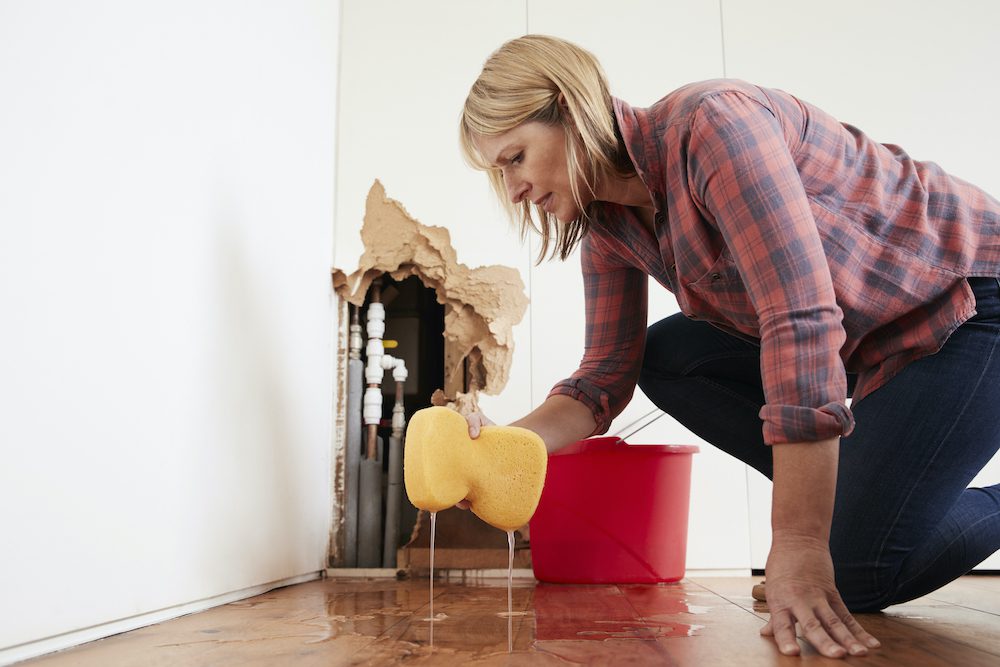
Early detection of dripping water lines can alleviate a possible calamity. In addition to conserving you cash, it will decrease the stress as well as stress. The minute you discover a leak, calling your plumber for repair work is the most effective service. Some tiny water leakages may not be visible. Here are some hacks that aid if you can not identify it with your naked eyes.
1. Analyze the Water Meter
Every home has a water meter. Examining it is a surefire manner in which aids you uncover leakages. For starters, switch off all the water sources. Make certain nobody will flush, make use of the faucet, shower, run the washing equipment or dishwashing machine. From there, go to the meter as well as watch if it will transform. Since no person is using it, there need to be no activities. If it relocates, that suggests a fast-moving leak. Furthermore, if you detect no changes, wait an hour or 2 and also inspect back once more. This means you might have a slow-moving leakage that might also be below ground.
2. Examine Water Usage
If you find sudden changes, despite your usage being the exact same, it suggests that you have leaks in your plumbing system. An unexpected spike in your costs suggests a fast-moving leakage.
A steady increase every month, also with the very same practices, reveals you have a sluggish leak that's additionally gradually escalating. Call a plumber to completely check your residential property, particularly if you feel a cozy area on your flooring with piping beneath.
3. Do a Food Coloring Examination
30% comes from bathrooms when it comes to water intake. Test to see if they are running properly. Decline specks of food shade in the container as well as wait 10 minutes. If the color somehow infiltrates your bowl throughout that time without flushing, there's a leakage in between the container as well as bowl.
4. Asses Outside Lines
Don't neglect to examine your exterior water lines as well. Should water seep out of the connection, you have a loosened rubber gasket. One little leak can throw away heaps of water as well as surge your water costs.
5. Evaluate the scenario and also inspect
Homeowners need to make it a routine to inspect under the sink counters and also even inside cabinets for any bad odor or mold growth. These two warnings suggest a leak so timely focus is called for. Doing regular evaluations, also bi-annually, can save you from a major trouble.
Examine for stainings as well as compromising as many appliances and pipes have a life expectancy. If you suspect dripping water lines in your plumbing system, don't wait for it to rise.
Early discovery of leaking water lines can minimize a potential catastrophe. Some little water leaks may not be noticeable. Inspecting it is a guaranteed way that helps you find leaks. One little leak can throw away lots of water and spike your water bill.
If you presume dripping water lines in your plumbing system, do not wait for it to escalate.
How to Know If Your Home Has a Hidden Leak
Water Meter Reveals Inexplicable Water Usage
If you’d like to test whether or not there’s a leak somewhere in your home, you can do this using your water meter. Here is how to conduct the test:
Don’t use any water in your home for at least 30 minutes; this also means not turning on faucets or water-using appliances.
Go outside, and check your water meter for activity.
If your water meter shows that there was activity, even though no one was using any water, this proves that there is a leak in your home.Visible Mold or Mildew Growth
Leaks behind walls create moist, dark environments that allow mold and mildew to grow and thrive. Eventually, you might see mold growth forming on the wall closest to a hidden leak.
If mold is growing in an area that receives a high amount of moisture, such as a bathroom, it may simply be an indication that better ventilation is needed. However, if you see mold growth on a wall or the ceiling in an area where you would not expect, you probably have a hidden leak.
Musty, Mildew Odor
Sometimes you might not be able to see the mold or mildew that is growing as a result of a leak. However, the smell can give the problem away just as easily. If you catch a whiff of something musty, there’s a good chance that old water is collecting somewhere in your home that you can’t see.
Stained/Warped Walls, Ceilings, or Floors
When your home soaks up water, a variety of red flags can become visible, including ceiling stains, bubbling drywall, warped walls, and sagging floors. While these issues can be caused by excess humidity, they can also be signs that a pipe or plumbing connection has started leaking behind your walls.
Inexplicably High Water Bill
After a while, you get a general sense for what your water bill should be. If you own a pool or sprinkler system, your bill will tend to be higher during summer. However, if you receive a water bill that seems especially high, and you can’t figure out what caused it, then you may have a hidden leak somewhere that’s increasing your bill.
https://www.plumbingjoint.com/blog/2019/july/how-to-know-if-your-home-has-a-hidden-leak/

I'm certainly very interested by Leaking water lines and I'm hoping you appreciated the new entry. Do you know somebody else who is very much interested in the subject? Please feel free to promote it. Thank you for going through it.